In the realm of financial markets, the debate surrounding whether trading equates to gambling has sparked considerable discourse. This article delves into the nuanced distinctions between the two activities sports betting Singapore, emphasizing the crucial role of research, risk management, and psychological factors in trading.
By exploring the regulatory frameworks that govern trading and gambling, we aim to provide clarity on this contentious issue for individuals seeking to navigate the world of investments with prudence and insight.
Key Differences Between Trading and Gambling
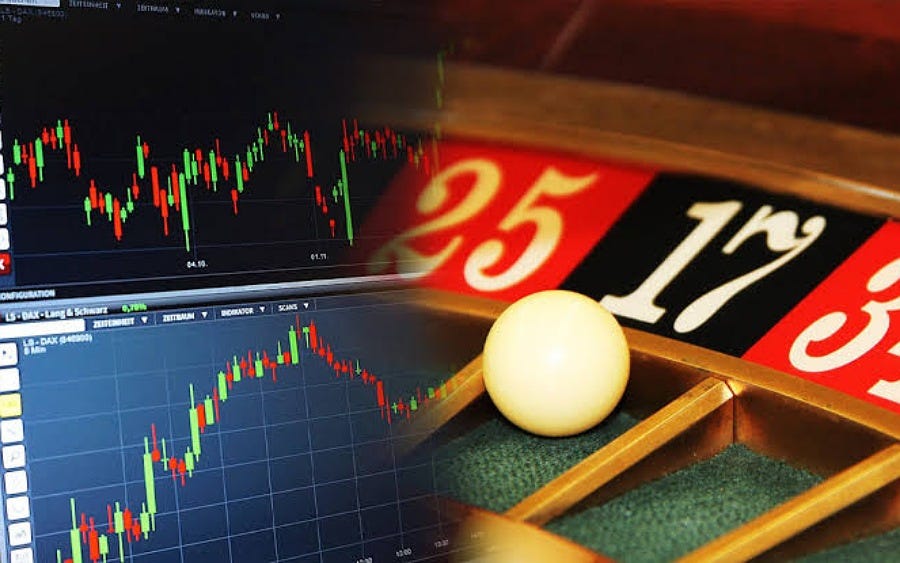
The key differences between trading and gambling lie in their fundamental principles and methodologies. Trading involves analyzing market trends, making informed decisions based on research https://www.mmc33.net/sg/en-us/product/sports, and managing risks through strategies such as diversification and stop-loss orders. It requires discipline, patience, and a systematic approach to achieve long-term financial goals.
On the other hand, gambling relies heavily on chance and luck, with outcomes driven by random events rather than skill or analysis. While trading offers the potential for sustainable returns over time, gambling often leads to unpredictable and unsustainable results.
The Role of Research in Trading
Incorporating thorough research is essential for successful trading. It provides valuable insights and data-driven analysis to inform strategic decision-making and risk management. Research empowers traders to understand market trends, assess asset performance, and identify potential opportunities or threats.
By conducting in-depth research, traders can gain a competitive edge, increase their chances of making informed decisions, and ultimately enhance their overall trading performance. Moreover, research helps traders stay updated on relevant news, economic indicators, and geopolitical events that may impact financial markets.
Through continuous learning and analysis, traders can adapt their strategies, mitigate risks, and optimize their trading approach based on factual information rather than speculation, contributing to a more disciplined and potentially profitable trading experience.
Understanding Risk Management in Trading
A critical aspect of successful trading lies in the meticulous management of risks, enabling traders to navigate uncertainties and safeguard their investments effectively.
Understanding risk management involves assessing potential risks, determining acceptable levels of risk exposure, and implementing strategies to mitigate adverse outcomes. By diversifying portfolios, setting stop-loss orders, and adhering to disciplined trading plans, traders can limit the impact of market volatility and unexpected events.
Embracing risk management empowers traders to make informed decisions, capitalize on opportunities, and protect their capital. It is the cornerstone of prudent trading practices, fostering a sense of control and security in an inherently unpredictable market environment.
Prioritizing risk management not only enhances trading performance but also promotes long-term sustainability and financial freedom.
Psychological Factors in Trading and Gambling
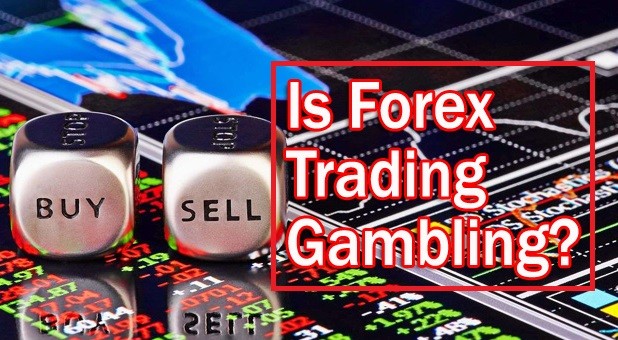
Navigating the complexities of trading and gambling involves understanding the psychological factors influencing decision-making processes. In both activities, emotions like fear, greed, and overconfidence can cloud judgment and lead to irrational choices.
Traders and gamblers alike may fall victim to cognitive biases, such as the hindsight bias or confirmation bias, impacting their ability to make sound decisions. Moreover, the thrill of winning or the agony of losing can trigger impulsive behavior, causing individuals to deviate from their strategies.
Recognizing these psychological factors is crucial for maintaining discipline and managing risk effectively. By cultivating self-awareness and emotional control, traders and gamblers can enhance their decision-making processes and increase their chances of long-term success in these high-stakes environments.
Regulatory Frameworks for Trading and Gambling
Transitioning from the psychological factors influencing decision-making processes in trading and gambling, one critical aspect to consider is the regulatory frameworks governing these activities.
In trading, regulations vary worldwide but generally aim to ensure fair markets, investor protection, and market stability. Regulatory bodies like the SEC in the US or the FCA in the UK oversee trading activities, setting rules and monitoring compliance to maintain market integrity.
On the other hand, gambling regulations focus on responsible gaming, preventing addiction, and protecting vulnerable individuals.
While trading and gambling serve different purposes, both activities benefit from clear and enforceable regulatory frameworks that strike a balance between freedom of choice and necessary oversight to safeguard participants and the broader financial system.
Conclusion
In conclusion, trading and gambling are distinct activities with key differences in terms of research, risk management, and psychological factors.
While both involve uncertainty and speculation, trading is typically based on analysis and strategy, whereas gambling relies more on chance.
It is essential for traders to understand the importance of research and risk management to make informed decisions.
Additionally, regulatory frameworks play a crucial role in ensuring the integrity and fairness of both trading and gambling activities.